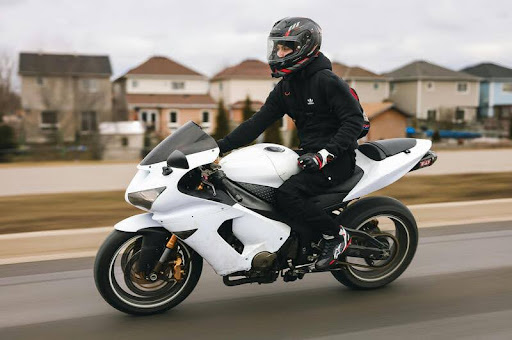
Riding smart and legal—motorcycle gear and awareness make every ride safer.
So you’re ready to hit the open road on two wheels, wind in your face, engine rumbling, freedom calling. But wait a second. Before you throw on your favorite jacket and ride off into the sunset, you’ve got to ask: what motorcycle gear do you need to ride legally in the U.S.?
Spoiler: it’s not the same in every state. And while some gear just makes good sense for safety, other pieces are legally required depending on where you ride. Let’s break it down in plain English, so you don’t get stuck with a ticket or worse, an injury.
Do you legally need to wear a helmet while riding a motorcycle?
Yes, but the laws vary a lot depending on the state and your age.
Helmet laws are a big one, and they’re the most common motorcycle gear requirement across the U.S. Right now, 19 states plus Washington, D.C. require all motorcycle riders to wear helmets, no exceptions. These are called universal helmet laws.
In the rest of the country? It depends. Some states only require helmets for riders under a certain age (often 18 or 21). Others allow helmetless riding if you carry a specific amount of insurance or have completed a safety course.
But here’s the kicker: regardless of the law, wearing a DOT-approved helmet is hands-down the smartest move. According to the National Highway Traffic Safety Administration (NHTSA), helmets saved an estimated 1,872 lives in 2017 alone.
So, whether it’s legally required or not in your state, your helmet is your best defense.
Quick tip: Make sure your helmet is DOT-certified. Look for a DOT sticker on the back, it’s what most states require by law.
Do you need eye protection on a motorcycle?
In many states, yes, especially if your bike doesn’t have a windshield.
Riding without eye protection is kind of like driving with your eyes closed. Not safe. That’s why most states require eye protection unless your motorcycle has a windscreen that meets a certain height requirement.
That protection can come in a few forms:
- Goggles
- A face shield attached to your helmet
- Shatterproof glasses
- Or a properly sized windshield on your bike
Eye protection laws are all about keeping bugs, dust, wind, and flying debris from blinding you mid-ride. And let’s be honest, nobody wants a bug in the eye at 60 mph.
Is protective clothing like jackets and gloves legally required?
Usually no, but it depends.
Unlike helmets and eye protection, most U.S. states don’t legally require jackets, gloves, boots, or pants designed for riding.
But that doesn’t mean they’re optional from a safety standpoint.
Some states may have specific rules for learners or younger riders, especially around gloves or ankle protection. But in general, you won’t be fined for riding in jeans and a hoodie (though that’s not a great idea).
Still, here’s why it matters: the right gear can seriously reduce the risk of road rash, burns, and fractures in a crash. So even if it’s not the law, smart riders gear up every time.
Think armored jackets, abrasion-resistant pants, gloves with knuckle protection, and solid boots that cover the ankle. Fashion isn’t the goal, function is.
Do you have to wear reflective or high-visibility gear?
Sometimes, especially when riding at night.
Here’s where things get a little more specific. Some states require riders to wear reflective vests or clothing at night, especially for learner permit holders or during safety courses.
Other states might not make reflective gear mandatory, but they do require reflective tape or decals on your helmet or gear. And in some cases, the motorcycle itself must have a certain number of reflectors built in.
Even when it’s not required, being visible on a motorcycle is a game-changer. Drivers miss bikes all the time, especially in low light. Bright or reflective gear helps fix that.
So if you ride after dark, think about visibility. A little neon can go a long way.
Do motorcycle passengers have to wear gear too?
Yes, especially helmets.
Helmet laws for passengers mirror those for riders in most states. So if helmets are required for you, they’re also required for anyone riding with you.
But there’s more. Some states have laws about minimum passenger age, and others require bikes to have:
- A dedicated passenger seat
- Footrests for passengers
- Grab bars for safety
The rules are in place to keep everyone safe, not just the person holding the handlebars. If you’re planning to ride with someone else, make sure your motorcycle is equipped properly, and that they’re geared up, too.
What gear is required for new riders or learner’s permits?
It depends on the state, but usually more gear is required.
New riders, especially those riding under a learner’s permit or restricted license, often face stricter gear laws. That can include:
- Mandatory helmet use (even in states that don’t require it for licensed adults)
- Required gloves or long sleeves
- Eye protection, even on bikes with windshields
- Reflective or high-visibility clothing during training
Safety training programs, like the Motorcycle Safety Foundation (MSF) course, typically require full protective gear, regardless of your state’s legal minimum.
Bottom line? If you’re new to riding, expect to gear up head to toe during training and licensing.
How do motorcycle gear laws vary by state?
There’s no nationwide standard, so check your local laws.
Here’s the tricky part: motorcycle gear laws aren’t set at the federal level. They’re decided by each state. That means what’s legal in Texas might get you pulled over in New York.
Some examples of state-to-state differences:
- Age limits for helmet use
- Insurance or training-based helmet exemptions
- Required gear for permit holders
- Reflective gear laws
If you’re planning a road trip across state lines, it’s a good idea to check DMV websites or official state riding guides before you go. The last thing you want is a ticket (or worse) because you didn’t know the local law.
Why following legal gear rules isn’t just about the law
Here’s the thing: legal requirements are the bare minimum to keep you safe. They don’t always cover what’s best for your body in the event of a crash.
Even if your state lets you ride without a helmet or eye protection, think about this: most fatal motorcycle crashes involve riders who weren’t wearing helmets. And road rash? It’s brutal. Gloves and jackets with armor make a big difference.
The smartest riders don’t just ride legally, they ride smart. Every time.
Quick Recap: What gear do you need to ride legally in the U.S.?
Let’s sum it up real fast:
- Helmet: Required in many states, especially for younger riders. Must be DOT-approved.
- Eye protection: Required if you don’t have a proper windshield.
- Protective clothing: Usually recommended, not required, but still smart.
- Reflective gear: Sometimes required, especially at night or for new riders.
- Passenger gear: Helmets are usually required; other requirements vary.
- Learner’s permit: Often, stricter rules, full gear may be required.
FAQ: Motorcycle Gear Laws in the U.S.
Here’s a quick FAQ section answering common questions. These answers are concise for SEO and schema optimization:
Q: Is it illegal to ride a motorcycle without a helmet in the U.S.?
A: It depends on the state. Some require helmets for all riders, while others only require them for certain ages or conditions.
Q: What is the legal requirement for eye protection when riding a motorcycle?
A: Most states require eye protection unless your bike has an approved windshield.
Q: Do motorcycle passengers have to wear helmets?
A: Yes, in most states that have helmet laws for riders, the same rules apply to passengers.
Q: Are motorcycle jackets and gloves legally required?
A: Usually not, but they are highly recommended for safety.
Q: What motorcycle gear is required in all 50 states?
A: Only DOT-approved helmets and eye protection are commonly required, and even those vary by state.
Final Thoughts
Whether you’re a seasoned rider or just getting your license, knowing the legal gear requirements is a must. It keeps you safe, helps you avoid fines, and, let’s be honest, makes you a more responsible member of the motorcycle community.
If you’re not sure what’s required in your state, check your local DMV site or talk to a licensed instructor. And when in doubt, gear up. Riding is better when you know you’ve got the right protection.
Ride smart. Ride safe. And always check the laws before you roll out.
About the Author