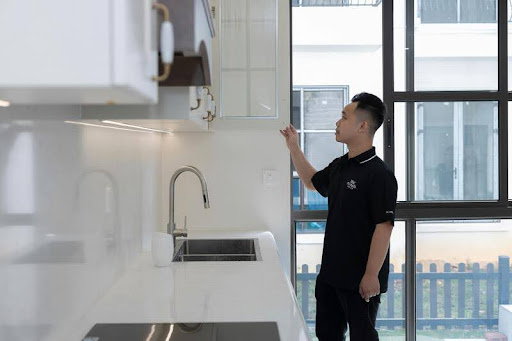
Evaluating a modern kitchen before renovation to make smart, stylish home improvement choices.
Introduction: You’ve probably heard that home renovations always increase the value of your house. But the truth? Not all upgrades pay off, especially if you’re thinking ahead to 2025 and beyond. If you skip the wrong project, you might end up spending more than you’ll get back. That’s why knowing what not to renovate is just as important as knowing what to.
In this post, we’re going to walk through the upgrade ideas that are losing their shine, why they’re losing it, what you should consider instead, and how to make smarter renovation decisions in 2025. Let’s dive in.
1. Why should you avoid overly personalized rooms?
Short answer: Highly customized spaces often don’t appeal to future buyers and can limit your return on investment.
Think about it: you love your home office with the neon lighting and built‑in gaming rig, but does the next buyer? Probably not. In fact, a room that’s too niche, say, a themed media room, an overly bright kid’s play zone, or an ultra‑specific hobby studio, can actually decrease appeal because it forces potential buyers to imagine undoing it.
When you renovate, especially if you might sell within the next few years, you’re not just doing something you love, you’re also prepping for someone else’s vision of the space. If you tailor a room so specifically, you may end up limiting your buyer pool or spending to undo what you created.
So: opt for versatile spaces. Neutral finishes, flexible layouts, multipurpose rooms, these make sense in 2025.
2. What happens when you add luxury features that don’t match your market?
Short answer: Installing high‑end upgrades out of sync with your neighborhood or home style often leads to low ROI.
Here’s the deal: say your house is in a middle‑priced suburban U.S. market, and you drop a $100,000 ultra‑luxury kitchen. That might feel amazing for you, but will a buyer in that market pay the extra for it? Maybe not. According to the 2025 Cost vs. Value Report, “large interior remodels may be personally rewarding, but their appeal is often too subjective to deliver the same return when it’s time to sell.” (Value Report – Zonda”>Zonda)
In other words, the upgrade might be better than the rest of the homes in your area, but that can work against you. Buyers compare to other houses in the neighborhood, and if you’re way above, you risk spending more than you’ll get back.
Instead, pick upgrades that align with your home’s value tier and local market. Balance is key.
3. Are massive outdoor features like pools and elaborate landscaping worth it?
Short answer: Often not. Large outdoor features can cost a lot to install and maintain, and many buyers don’t want the upkeep.
Outdoor living has been a hot trend, but you’ll want to tread carefully. For example, one guide lists swimming pools and highly specialized outdoor kitchens among the lowest return‑on‑investment projects. (Maps Credit Union) That’s because while they’re fun, they’re also expensive and may turn off buyers who see the upkeep, insurance, or safety concerns.
In 2025, data support exterior upgrades for certain types, but only when they’re aligned with buyer demand and sensible in scale. The Cost vs. Value Report shows that eight of the top ten highest ROI projects are exterior replacements or updates, not sprawling outdoor features. (Zonda)
So: if you’re going outdoors, think simple and functional, less “mega‑resort backyard,” more “easy, usable, low‑maintenance space.”
4. Why skip outdated or flashy tech upgrades?
Short answer: Technology moves fast, and what’s cutting-edge today might feel dated tomorrow.
Adding a smart home hub, luxury built‑in gadgets, or specialty systems might seem modern now. But much of it becomes obsolete. In 2025, many buyers care more about usability and efficiency than flashy features. According to a home‑improvement ROI guide, finishing a basement or adding usable square footage delivered a stronger return than high‑cost “luxury” additions. (VSA Construction | Renovations Company)
What’s more: high‐end tech installations may require maintenance, updates, or specific expertise. A buyer might factor in those future costs or choose to ignore the feature altogether.
Instead, choose tech upgrades that are broadly appealing and have staying power, energy efficiency, basic smart systems, and good wiring, rather than ultra‑niche gadgetry.
5. What about adding rooms that sound great but don’t add functional value?
Short answer: Novelty rooms often don’t help resale value much; functionality wins.
Maybe you’ve thought, “Let’s convert the attic into a wine cellar and cigar lounge.” Sounds fun. But will it add value? Might not. Some room types, like multiple small bathrooms, game rooms, and hobby‑specific spaces, don’t resonate with a wide buyer base. In fact, one recent guide flags “specialized rooms (30–50% ROI)” as among the lower-performing upgrades. (Maps Credit Union)
Buyers tend to value flexible, usable spaces, extra bedrooms, updated baths, functional layouts, over rooms whose only purpose is a niche. If your added space is highly specialized, you limit potential buyers to those who also want that feature.
Better: think in terms of “What can this room become?” Give it flexibility that appeals across buyer types.
6. Are superficial cosmetic upgrades worth big money?
Short answer: They can help, but spending a lot on something that doesn’t change perception drastically often won’t pay off.
Sure, fresh paint, new hardware, modern fixtures, all those help. But when you’re shelling out big bucks for high‑end finishes that impress you but don’t add clear value to most buyers? That’s where things fall short. According to Zillow’s guide, for example, a full bathroom remodel may only recoup around 80% of its cost in many cases. (Zillow)
So you’ll want to ask: Does this change improve the look and the function in a way that matters to buyers? If it’s purely aesthetic and highly tied to my taste (bright pink wall? custom lighting niche?), then you may be better off spending less and keeping things more neutral.
Making Smart Moves: How do you decide what to renovate instead?
Let’s flip the conversation. Rather than only talking about what not to renovate, here are questions and tips you can use to steer your decisions in 2025:
• Ask yourself: “Will this appeal to the widest buyer or user base possible?”
If the answer is no, rethink. Versatility wins.
• Check local comps and market standards.
If all the houses in your neighborhood are modest mid‑range homes, going ultra‑luxury just to outshine them may backfire. As one ROI guide says: major remodels often fall into the low‑ROI category” unless they match the market. (westshorehome.com)
• Prioritize improvements that fix pain points, not just add flair.
Leaks, outdated wiring, inefficient HVAC, or insulation, all those matter. Buyers notice deferred maintenance. In 2025, energy efficiency, low‑maintenance exteriors, and good condition are more appealing than wow‑factor features alone. (This Old House)
• Think about your timeline. Are you staying or selling?
If you plan to live in the house for a decade or more, you can afford to focus on personal preferences. If you’re planning to sell in the next 1‑3 years, focus on what buyers care about, not just what you want. One guide assigns different priorities depending on how soon you sell. (westshorehome.com)
• Budget wisely and avoid cost‑overruns.
As renovation costs have surged (labor, materials), it’s more important than ever to watch your bottom line. A splashy project that doubles your budget could wipe out any value gained. (AP News)
Conclusion
Renovation isn’t always about more. Sometimes the smartest move is less but smarter. In 2025, the upgrades that don’t pay off tend to be those that are overly personalized, too luxurious for the market, high‑maintenance outdoor features, flashy tech that’ll quickly date, rooms with limited appeal, or big cosmetic spends without functional benefits.
Instead, aim for versatility, market‑match, efficiency, and value. Ask yourself: “Will this improve the home for now and later?” And if the answer is shaky, maybe press pause.
If you’re ready to renovate smart and make your home improvement dollars work hard for you, I’d love to help you brainstorm. Want to explore “what to renovate instead” next? Let’s talk.
FAQ
Q: What’s the best way to decide whether a renovation will pay off? A: Consider your local market, how long you’ll stay in the home, the function and appeal of the upgrade, and the cost vs. expected resale value. Use national ROI guides as a benchmark, but adjust for your region and home standard.
Q: Are luxury kitchen or bathroom remodels a bad idea in 2025? A: Not always, but they’re higher risk. Major remodels often have lower ROI than many homeowners expect because they’re costly, and the appeal can be very buyer‑specific. If you do a kitchen or bath remodel, focus on quality, efficiency, and functionality rather than high-end over‑the‑top finishes.
Q: Should I avoid outdoor living spaces altogether? A: No, just approach them with care. Simple, low‑maintenance outdoor upgrades (like a patio or modest deck) can be solid. But big-ticket additions (pools, elaborate kitchens, custom landscaping) often don’t recoup their cost unless they match your location and buyer demand.
Q: How does the resale timeline affect renovation choices? A: If you plan to sell within the next year or two, focus on cosmetic fixes, condition repairs, and curb appeal. If you’ll live in the home for many years, you have more flexibility to personalize and comfort‑upgrade once the resale timeline is farther out.
Q: Are inexpensive cosmetic upgrades worth doing? A: Generally, yes, but with limits. Things like fresh neutral paint, updated hardware, and good lighting help a lot. But sinking lots of money into premium finishes that don’t improve perception or function for buyers may not offer a good return.
About the Author




