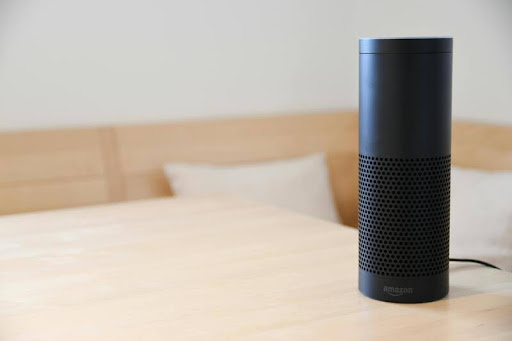
Smart home in action: A voice-controlled assistant blends into daily life
Your no-fluff guide to smart tech that actually makes life easier
Let’s be honest, smart home devices can feel like a mix of “Whoa, that’s cool!” and “Do I really need this?” From talking thermostats to doorbells that livestream to your phone, it’s easy to get caught up in the hype. But when it comes to spending your hard-earned cash, what smart home devices are actually worth investing in?
That’s exactly what we’re going to break down here.
Whether you’re new to smart tech or just looking to upgrade a few things around the house, this guide will help you make choices that add real value, without overwhelming you with unnecessary features or complicated setups.
What Should You Consider Before Buying Smart Home Devices?
Before you fill your Amazon cart, take a beat. A smart device should do one (or more) of these things: make your life easier, safer, or more efficient. If it doesn’t check at least one of those boxes, it’s probably not worth the money.
Here’s what to think about:
- Compatibility: Does the device play nice with your phone or voice assistant (like Alexa, Google Assistant, or Siri)? If not, you could be stuck with something that feels more frustrating than helpful.
- Installation: Will you need a screwdriver or a degree in engineering? Look for plug-and-play options if you’re not into DIY.
- Security: Smart devices connect to Wi-Fi, which means they can be hacked if not properly secured. Devices with two-factor authentication and regular firmware updates are your best bet.
- Cost vs. Benefit: That fancy smart fridge might look amazing, but if you’re only using it to check the weather, maybe stick with your current one.
- Energy Savings: Many smart devices can help lower utility bills over time. If you’re big on sustainability (or just saving money), energy efficiency matters.
Which Smart Home Devices Actually Make Life Easier?
Let’s start with the basics: convenience. The best smart devices are the ones that quietly work in the background, handling stuff so you don’t have to.
- Smart speakers or hubs: Think of them as your home’s digital assistant. You can ask for the weather, play music, set timers, or control other devices with just your voice. It feels a bit like living in the future, and it’s incredibly handy when your hands are full.
- Smart lighting: Imagine dimming the lights from your couch or setting them to turn off automatically when you leave. Whether it’s bulbs, switches, or motion sensors, smart lighting is an easy win for comfort and energy savings.
- Smart thermostats: These adjust the temperature based on your habits and preferences. Some even know when you’re away and cut back on heating or cooling to save you money.
You don’t need to automate every corner of your home, but small upgrades in the right places can make a big difference.
Are Smart Security Devices Worth the Investment?
Short answer: Absolutely, if peace of mind is a priority.
Security is one of the most practical reasons people invest in smart tech. And for good reason. According to the FBI’s Crime Data Explorer, there were over 1 million burglaries in the U.S. in recent years. That’s a lot of front doors left vulnerable.
Here’s where smart devices can help:
- Video doorbells: Know who’s at your door without getting up. Many let you see, hear, and speak to visitors from your phone, whether you’re home or not.
- Smart locks: Ditch the spare key under the mat. These locks let you control access from anywhere, and many offer temporary codes for guests.
- Cameras and motion sensors: Indoor or outdoor, they let you monitor your home 24/7. Some systems even alert you when unusual activity is detected.
It’s not just about stopping crime. These tools also help with everyday stuff, like checking if a package got delivered or knowing when the kids got home from school.
Can Smart Devices Actually Save You Money?
Yes, but it depends on how you use them.
A lot of people ask: “Do smart home devices really lower energy bills?” The answer is yes, with the right setup and a little planning.
- Smart plugs and power strips: These cut off power to devices that aren’t in use (think: coffee makers, chargers, TVs). It’s a small change that adds up.
- Energy monitors: These track your electricity use in real-time, helping you spot energy hogs and adjust habits.
- Smart thermostats and HVAC systems: Some studies show that smart thermostats can reduce heating and cooling costs by up to 10–12% annually, depending on usage.
- Water sensors and smart irrigation: These can prevent leaks or reduce waste in your garden, which is especially helpful in places with high water bills or restrictions.
In short, if you’re trying to trim monthly expenses or reduce your carbon footprint, smart energy tools are worth a closer look.
What About Smart Kitchen and Laundry Appliances?
Let’s talk about the “luxury” side of smart homes.
Smart appliances sound great on paper: fridges that track expiration dates, ovens you can preheat from your phone, and washers that send alerts when the cycle ends. But do you need them?
Probably not, unless:
- You cook or entertain frequently and value precision and convenience.
- You’re already replacing old appliances and want something future-proof.
- You’re into tech and want a fully connected kitchen just because it’s cool (totally valid!).
But if your current appliances are working just fine, don’t feel pressured to upgrade just for the smart label. These devices tend to be more expensive and don’t always offer savings or performance improvements that justify the price.
How Do You Decide Which Smart Devices to Get First?
Here’s a good rule of thumb: Start with what solves a real problem or adds everyday convenience.
Think about your routines. Are you constantly forgetting to turn off lights? Is your thermostat all over the place? Do you wish you could keep an eye on your home while you’re at work or on vacation?
Start there.
A basic setup could include:
- A smart speaker or hub for voice control
- A couple of smart plugs or light bulbs
- A smart thermostat or video doorbell, depending on your priorities
Once you’re comfortable with the basics, you can expand gradually. Just make sure new devices are compatible with what you already have. Building a system that works together is key to avoiding future headaches.
What Mistakes Should You Avoid with Smart Home Devices?
Good question, because smart homes can go from helpful to annoying really fast if you’re not careful.
Here’s what to avoid:
- Going overboard too fast: Adding too many devices at once can be overwhelming. Start simple.
- Mixing incompatible brands: Not all devices work together. Check compatibility before buying.
- Ignoring security settings: Always change default passwords, update firmware, and use secure Wi-Fi.
- Forgetting about Wi-Fi coverage: Smart devices need a strong signal. Dead zones = dead devices.
If you plan smart from the beginning, your setup will be smoother and more satisfying.
Final Thoughts: What Smart Home Devices Are Worth It?
At the end of the day, smart home tech should work for you, not the other way around.
The most worthwhile devices are the ones that make your day-to-day life easier, safer, or more energy efficient. Think lights that respond to your voice, locks that give you peace of mind, or thermostats that save you money while you sleep.
Start small, stay focused on what matters to you, and upgrade only when it adds clear value.
Don’t buy into every trend; buy into what improves your life.
Quick FAQ: Smart Home Devices
Q: What’s the best smart home device to start with? A: A smart speaker or hub (like those with voice assistants) is an easy, affordable entry point.
Q: Do smart home devices use a lot of electricity? A: Most use minimal power. In fact, many help reduce overall energy use by automating off times or optimizing usage.
Q: Can smart home devices work without Wi-Fi? A: Some can, but most rely on a stable Wi-Fi connection. Poor connectivity can cause major issues.
Q: Are smart devices secure? A: They can be, as long as you update firmware regularly, use strong passwords, and enable two-factor authentication.
Q: Do smart home devices increase home value? A: In some cases, yes, especially smart thermostats, security systems, and energy-saving tech. But it’s not guaranteed.
Ready to Upgrade Your Home?
If you’ve been thinking about dipping into the world of smart home tech, now’s a great time to start. Whether you’re all about comfort, safety, or cutting costs, there’s something out there for you.
Got a favorite smart device that changed your routine? Drop it in the comments or share your setup ideas, we’d love to hear how you’re making your home smarter, one device at a time.
About the Author