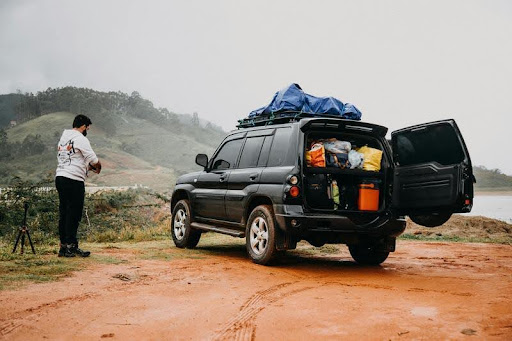
Man standing next to a car packed with luggage for a summer road trip.
There’s nothing like hitting the open road with the windows down, snacks within reach, and miles of adventure ahead. A summer road trip across the U.S. promises epic scenery, quirky pit stops, and the kind of memories that stick with you for years. But before you roll out, there’s one thing you’ve got to get right: what you pack.
Because let’s be honest: forgetting your charger, running out of sunscreen in the middle of the desert, or realizing you packed five jackets and zero shorts? Not ideal.
So if you’re wondering, “What do I really need for a summer road trip?”, you’re in the right place. This guide breaks it all down, with smart suggestions for what to bring so you’re prepped for the road without overstuffing the trunk.
What clothes should you pack for a summer road trip?
Pack lightweight, versatile clothes that you can mix and match, with layers for cooler nights or unexpected weather.
Summer weather in the U.S. can be a mixed bag, blazing hot one minute, breezy or even chilly the next, especially if you’re heading through the mountains or across time zones. The best strategy? Layer up.
Start with the basics:
- Breathable t-shirts and tank tops
- A few pairs of shorts
- Light pants or joggers for evenings or bug-heavy areas
- A hoodie or light jacket for cooler temps
- Rain jacket (just in case)
- Comfortable sleepwear
- Swimsuit (even if you think you won’t need it, you probably will)
And don’t underestimate the power of good footwear. Pack comfy walking shoes, easy slip-ons for the car, and maybe sandals for beachy stops. One pair of each is usually enough.
Pro tip: Use packing cubes to keep clothes organized. You’ll thank yourself when digging through your bag in a motel parking lot at midnight.
What toiletries and personal care items are essential?
Bring compact, everyday items for hygiene, plus a few extras to keep you feeling fresh on the go.
Long days in the car, camping nights, or rest stop breaks don’t exactly scream “luxury spa,” but staying fresh is doable.
Here’s a solid road trip toiletry list:
- Toothbrush, toothpaste, floss
- Deodorant
- Face wipes or cleansing wipes (a lifesaver when showers are scarce)
- Dry shampoo and travel-size body wash
- Razor, hairbrush, and hair ties
- Sunscreen (SPF 30 or higher is best)
- Bug spray (mosquitoes don’t care that you’re on vacation)
- Lip balm with SPF
- Basic first aid kit: Band-Aids, pain relievers, allergy meds, and any prescriptions
Store everything in a toiletry bag that’s easy to grab when you need it, especially if you’re popping in and out of restrooms or campgrounds.
What documents and travel info should you bring?
Have all your important documents and backup info ready and easy to access, digital and hard copies both.
Let’s face it: even in 2025, Wi-Fi isn’t guaranteed, and phone batteries don’t last forever. You don’t want to be stuck in a no-service zone without your insurance info or GPS.
Make sure to pack:
- Your valid driver’s license
- Vehicle registration and proof of insurance
- Health insurance card
- Emergency contacts written down (not just stored in your phone)
- A small stash of cash for tolls or small-town diners
- Credit/debit cards
- Roadside assistance info
- Printed map or offline directions as a backup
Keep these in a glove box folder or travel pouch so you can grab them fast when needed.
What tech gear should go in your bag?
Bring just the essentials: phone gear, navigation tools, and a way to charge on the go.
You don’t need a tech overload, but you do need to stay powered and connected.
Must-haves include:
- Phone (obviously) + charger
- Car charger or USB adapter
- Portable power bank
- Hands-free phone mount for GPS
- Downloaded maps or apps (think Google Maps offline or a weather tracker)
- Headphones or earbuds (for breaks or podcasts)
Bonus: Load up your playlists or audiobooks before you hit the road. It’s way easier than scrambling with a weak signal while driving through the middle of nowhere.
How do you stay comfortable during long drives?
Comfort = fewer complaints, more fun. Pack little extras that make a big difference on the road.
When you’re logging 5+ hours in the car, small comforts are a game-changer.
Try these:
- Neck pillow and blanket (especially if you’re a passenger)
- Sunglasses and a hat
- Reusable water bottle (insulated is best for keeping drinks cold)
- Snacks within reach
- A trash bag or a small container for wrappers
- Wet wipes and hand sanitizer
- Reusable shopping bags (for groceries, souvenirs, or laundry)
And maybe toss in a roll of toilet paper. Rest stop bathrooms aren’t always… dependable.
What snacks and food should you bring?
Pack a mix of snacks that travel well and keep hunger at bay between meal stops.
You will get hungry. And sometimes, the next decent food stop is 80 miles away. That’s where a snack stash saves the day.
Good road trip snacks:
- Granola bars, trail mix, jerky
- Crackers, fruit snacks, or popcorn
- Apples or bananas (easy, no-mess fruits)
- Refillable cooler with water, iced tea, or sports drinks
- Resealable bags for leftovers
Skip anything that melts easily unless you have a serious cooler setup.
And remember utensils and napkins if you’re packing real food.
What’s the best way to stay entertained on the road?
Build a mix of entertainment options: music, games, podcasts, and ways to pass time offline.
Even the most scenic road trip has dull stretches (looking at you, long desert highways). Be ready with distractions.
Load up:
- Music playlists or streaming apps
- Podcasts and audiobooks
- Conversation starter games
- Travel bingo or card games
- A notebook or journal
- E-reader or paperback
If you’re traveling with kids or friends, get everyone involved in choosing the playlist or game; it makes the ride fly by.
What emergency gear should you pack just in case?
Prepare for the unexpected: flat tires, dead batteries, weird noises, or sudden weather changes.
Hopefully, you won’t need it. But if you do? You’ll be really glad you packed it.
Must-have car safety gear:
- Spare tire and tire-changing tools
- Jumper cables
- Flashlight (plus extra batteries)
- Basic toolkit
- Windshield washer fluid and paper towels
- Multi-tool or pocketknife
- Emergency blanket or poncho
- Reflective triangle or road flare
- Copies of emergency contacts and roadside assistance info
Stash it all in one bin or trunk organizer so it’s easy to find.
What should you pack for camping or overnight stops?
If you’re sleeping in your car or camping out, pack light gear that’s quick to set up and use.
Whether you’re hitting national parks or crashing at a campground, you’ll need a few extras.
Add these to your packing list:
- Tent and sleeping bag
- Sleeping pad or inflatable mattress
- Camp stove or mini cooking gear
- Headlamp or lantern
- A portable chair or blanket for sitting outside
- Shower sandals and a small towel
- Travel-size toiletries and bug spray (again!)
Even if you don’t plan to camp, having the option is nice, especially if you want to be spontaneous.
Final thoughts: What’s the best way to pack for a U.S. summer road trip?
Pack smart, stay flexible, and don’t overthink it. Comfort and essentials come first; everything else is a bonus.
Here’s the deal: you don’t need to bring your entire closet. And yes, you will forget something, it’s totally fine. Most places have a convenience store or gas station if you really need to pick something up.
But the more intentional your packing is, the less you’ll stress. That means more energy for soaking up the scenery, belting out road trip songs, and making every pit stop count.
Ready to hit the road? Make your checklist, pack light, and go chase the adventure.
Road Trip Packing FAQ
What’s the most forgotten road trip item? People often forget phone chargers, sunscreen, or a spare pair of shoes. Double-check those before leaving!
How many outfits should I pack for a weeklong road trip? Pack 5–6 mix-and-match outfits plus one for sleeping. Rewear and do laundry if needed.
Is it safe to sleep in your car during a road trip? In some areas, yes. Look for designated rest stops or campgrounds and check local laws first.
Should I bring cash on a U.S. road trip? Yes, carry a small amount of cash. Some places (like toll booths or tiny diners) may not take cards.
What’s the best cooler for a road trip? Any cooler that fits in your car and keeps items cold for 6–12 hours is fine. Soft-sided coolers work well for tight spaces.
About the Author