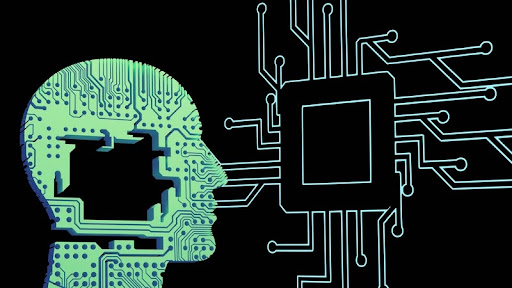
Smart home security cameras bring AI-powered monitoring right to your doorstep.
AI surveillance is becoming more common in American cities. For example, smart cameras are watching street corners, and software is scanning faces in crowded areas. It says it will make cities safer and smarter, but it also brings up a lot of moral issues. How much of our privacy are we willing to give up? Who keeps an eye on the people who watch? And most importantly, can AI be fair?
If you’ve ever wondered about the ethics of AI surveillance, you’re not alone. This technology is changing how cities work, but it’s also making people talk about privacy, fairness, and trust. Let’s break it down together in a way that’s easy to grasp, no tech jargon, just real talk.
What Exactly Is AI Surveillance?
AI surveillance is the practice of keeping an eye on public areas using artificial intelligence tools such as behavior analysis, pattern recognition, and facial recognition. Imagine them as sophisticated eyes and ears that can scan video streams, analyze information, and occasionally even forecast behavior.
AI surveillance is used by cities for tasks like traffic control, crime prevention, and event monitoring. The objective? Make city living more effective and safe. That sounds useful, doesn’t it? The problem is that AI is doing more than just observing; it is also analyzing and responding to what it observes, which raises ethical concerns.
Why Is the Ethics of AI Surveillance Important?
Excellent query. We should be concerned because AI surveillance affects people’s rights, liberties, and trust, in addition to technology. When machines keep an eye on us, it can seem like Big Brother is watching, and for many, that’s uncomfortable. Furthermore, AI is fallible. What occurs if it unfairly singles out particular groups or misidentifies someone? These are more than just “tech glitches”; they have the potential to impact actual lives. Therefore, talking about ethics aids in determining how to use AI sensibly while upholding individual rights.
What Impact Does AI Surveillance Have on Privacy?
When it comes to AI surveillance, privacy is most likely the main worry. These systems gather a ton of information about our activities, contacts, and whereabouts. Imagine being aware that cameras are following you around the city without your express permission.
The issue? The majority of people are unaware of the complete scope of data collection and its intended use. Without explicit guidelines, AI monitoring can quickly go from being beneficial to invasive.. Thus, the crucial query is: How can we strike a balance between the advantages of surveillance and the right to privacy?
What About Consent? Do We Agree to This?
Here’s a tricky one. In many cases, AI surveillance happens in public spaces where people don’t have a clear chance to say “yes” or “no.” Shouldn’t we at least know when and where we’re being monitored?
Transparency is crucial. If cities want to use AI surveillance, they should inform residents openly and get public input. After all, surveillance affects everyone, so everyone deserves a say in how it’s done.
Can AI Be Fair? What About Bias in Surveillance?
One big red flag in AI surveillance is bias. AI systems learn from data, and if that data reflects existing social biases, the AI can end up unfairly targeting certain communities. This could mean more frequent stops or scrutiny for people based on race, ethnicity, or neighborhood.
That’s a serious ethical problem. Fairness means ensuring AI doesn’t reinforce discrimination or injustice. But how do we fix this? It starts with building better, more diverse data sets and regularly auditing AI tools for bias. Without these steps, AI surveillance risks deepening social divides rather than solving problems.
Why Is Transparency Important in AI Surveillance?
Transparency means being open about how AI systems work, what data they collect, and how decisions are made. When surveillance operates in the shadows, trust breaks down fast. People want to know: Who’s watching? What are they watching for? And what happens to my data?
Cities that embrace transparency can build stronger relationships with their communities. It’s about accountability, making sure that AI isn’t a mysterious black box but a tool that’s understood and fairly managed.
Who Is Responsible When AI Surveillance Goes Wrong?
Accountability is a tough one. If AI surveillance leads to wrongful arrests or privacy violations, who answers for that? Is it the city officials? The tech companies that build the AI? Are the officers using the tools?
Ethically, there has to be clear responsibility. Without it, mistakes can go uncorrected, and victims have no recourse. Establishing accountability means setting clear policies, oversight mechanisms, and consequences when AI causes harm.
How Can Cities Balance Safety and Individual Rights?
Balancing security and rights isn’t easy. On one hand, cities want to prevent crime and protect residents. On the other hand, they must respect freedoms and privacy.
Ethical frameworks can help guide this balance. These frameworks often emphasize principles like necessity (only collecting data that’s really needed), proportionality (not overreaching), and respect for human dignity.
In actuality, this could entail limiting the duration of data storage or limiting the application of AI to critical public safety situations exclusively.
How Does Community Trust Affect AI Surveillance?
Trust in the community is brittle. People’s trust in the government and law enforcement rapidly declines if they feel like they are being watched or unfairly singled out. The exact opposite of what surveillance seeks to accomplish, resistance, protests, or decreased cooperation, may result from this.
It can be beneficial to include communities in decisions regarding AI surveillance. Policies are more likely to be equitable and well-received when locals have a say. This engagement fosters trust, which is necessary for any technology to function properly.
How Will Ethical AI Surveillance Develop in the Future?
AI technology is constantly developing quickly. There will be new questions with new tools.
Will artificial intelligence begin to foresee crimes before they occur? How can we stop that from becoming unjust profiling? The need for continual ethical reflection increases along with these capabilities.
More public involvement, improved standards, and increased oversight are all anticipated in the future. In order to maintain AI surveillance in line with societal values, this path necessitates ongoing learning and modification.
A Brief FAQ on the Ethics of AI Surveillance in American Cities
Is it legal to use AI for surveillance in American cities? A: In general, yes. While AI surveillance is legal in many cities, state and local laws differ. Clearer rules and regulations are frequently pushed for by ethical concerns.
Is it possible for AI surveillance to lower crime rates? A: It isn’t a panacea, but it can help law enforcement. To be used ethically, one must strike a balance between preventing crime and defending rights.
How can people safeguard their privacy against AI monitoring? A: Keep yourself updated, promote openness, and back laws that control the use of surveillance and safeguard data.
Is there a time limit on the retention of surveillance data? A: Local laws and policies determine this. According to ethical standards, data should only be kept for as long as is required.
How Can Your City Handle AI Surveillance?
Do you want to participate? Learn about the laws governing AI surveillance in your city first. Participate in community gatherings, voice your concerns, and ask questions. Citizens who are aware and involved are essential to ethical AI surveillance.
About the Author