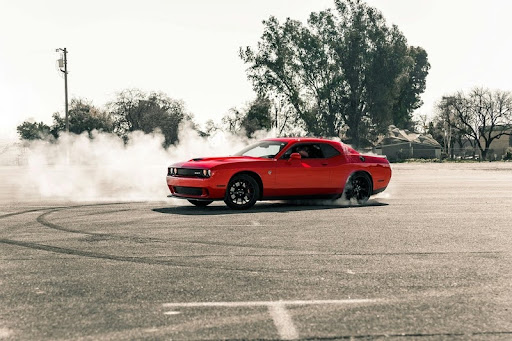
Mastering the slide—drifting isn’t just about power, it’s about precision and control.
So, you’re ready to dive into the world of drifting? Nice. There’s nothing quite like the feeling of swinging the rear end out, controlling the slide, and coming out of a turn looking like a pro. But before you start kicking the clutch and shredding tires, you need to ask yourself one very important question:
What’s the best car to learn drifting in?
It’s not about having the flashiest ride or the most horsepower. For beginners, the best drift car is the one that teaches you how to drift without getting in the way. This guide is here to help you figure out what really matters when choosing your first drift machine, without naming specific models. Let’s break it down.
What is drifting, exactly?
Drifting is a driving technique where the driver intentionally oversteers, causing loss of traction in the rear wheels while maintaining control and direction through a turn. It’s both an art and a skill. Think of it as dancing with your car, but with smoke, speed, and sideways action.
In the U.S., drifting has become more popular thanks to media, events, and car culture. From local drift nights to full-on competitions, it’s got a growing community. But before you get involved, you need a car that helps, not hinders, your learning process.
What makes a car good for beginner drifting?
Here’s what you should be looking for:
1. Rear-Wheel Drive (RWD) RWD is non-negotiable. Drifting requires your rear wheels to break traction, and front-wheel-drive just won’t cut it.
2. Manual Transmission A stick shift gives you full control. You can clutch kick, shift exactly when you want, and feel more connected to the car.
3. Limited Slip Differential (LSD) You want both rear wheels spinning together. An open differential will send power to the wheel with the least grip, bad news when you’re trying to slide. A mechanical or clutch-type LSD makes a big difference.
4. Balanced Weight Distribution A car that’s evenly balanced front to rear (ideally 50/50) makes it easier to predict and control slides.
5. Lightweight Chassis Lighter cars are more nimble and easier to control. Heavier vehicles tend to swing wide and can be tougher to rein in.
6. Aftermarket Support You’re going to break stuff. You’ll want parts that are easy to find, affordable, and customizable.
7. Budget-Friendly: Don’t dump all your cash into the car. You’ll need money for tires, suspension upgrades, and probably a few replacement parts along the way.
What else should you think about before choosing your drift car?
Drifting is addictive. But it’s also expensive if you don’t plan carefully.
Budget for more than just the car. You’ll need:
- Extra tires (you’ll burn through them quickly)
- Suspension tuning
- Basic safety gear (helmet, maybe a roll cage eventually)
- Entry fees if you’re hitting local drift events
Think about repairs. Drifting is hard on cars. You’ll spin out, bump barriers, and stress components. Choose a car that’s relatively cheap and easy to fix.
Where will you practice? Look for local tracks or sanctioned drift events. Never practice on public roads; not only is it illegal, but it’s seriously dangerous.
What are your long-term goals? If you’re just in it for fun, you might prioritize ease of use and lower cost. If you want to go pro someday, you might pick something with room to grow into.
What are some common beginner mistakes when choosing a drift car?
It’s tempting to buy something with huge horsepower or a crazy body kit. Don’t.
Avoid these common traps:
- Going for looks over function: That flashy car might look cool, but is it RWD? Manual? Tunable?
- Ignoring safety: You don’t need a full race setup, but don’t skimp on brakes, tires, and seat safety.
- Buying a car that’s too fast: High horsepower without skill just means faster crashes.
- Skipping the basics: Learn techniques first. Drifting well at low speed is way more impressive than spinning out at high speed.
How should you approach modifying your drift car?
Start simple. Don’t get sucked into the mod vortex right away.
Seat time > Parts. The more time you spend driving, the faster you’ll improve. No part upgrade can replace actual practice.
Start with:
- A good set of tires (even used ones work for practice)
- Upgraded suspension for better control
- A welded or aftermarket LSD
- A handbrake setup if you’re learning initiations
Resist the urge to jump straight into turbo kits or engine swaps. Focus on control, not power.
Where can you drift legally in the U.S.?
Glad you asked. Drifting on the street isn’t just illegal, it’s reckless.
Instead, look into:
- Local racetracks that offer drift nights
- Drift schools that offer instruction and safe practice spaces
- Club events or amateur competitions
Organizations like U.S. Drift, Drift Indy, and various grassroots groups host beginner-friendly events around the country.
Practicing in a legal space gives you room to make mistakes, get feedback, and grow without worrying about cops or pedestrians.
Why learning drifting is about skill, not horsepower
It’s easy to think drifting is all about power. But you know what? A low-powered car with a skilled driver will out-drift a monster machine with someone who doesn’t know what they’re doing.
Drifting is about control.
- Can you keep the slide going?
- Can you recover without spinning out?
- Can you connect corners smoothly?
These are the things that matter.
So don’t stress about getting a “dream car” right away. Pick something simple, practice often, and build up from there.
Final thoughts: What’s the best drift car for beginners?
In the end, the best drift car for learning in the U.S. is:
- RWD, manual, lightweight, and balanced
- Affordable and easy to maintain
- Well-supported by the aftermarket scene
Start small. Focus on learning. And most importantly, have fun.
Ready to start sliding? Keep it safe, stay humble, and enjoy the ride.
Frequently Asked Questions (FAQ)
What’s the cheapest way to start drifting in the U.S.? Buy an affordable RWD manual car, weld the diff if necessary, and start practicing at local drift events. Use budget tires and avoid unnecessary mods.
Do I need a manual car to drift? Manual cars give you much more control over the throttle and clutch, ideal for drifting. While it’s possible in automatics, it’s not recommended for learning.
Is drifting illegal on public roads in the U.S.? Yes. Drifting should only be done in controlled, legal environments like racetracks or sanctioned events.
How much does it cost to start drifting? Expect to spend anywhere from $3,000 to $8,000 to get started, including the car, basic upgrades, safety gear, and event fees.
Can I drift with a front-wheel-drive car? Not really. You can do some sliding tricks, but true drifting requires rear-wheel drive.
About the Author