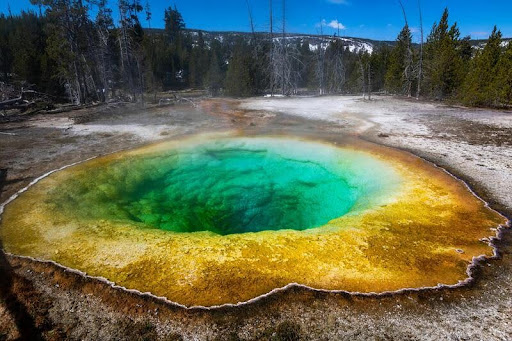
Steam swirls above a vibrant Yellowstone hot spring—nature’s palette in action.
Thinking about visiting Yellowstone in 2025? You’re not alone. Over 3 million people make their way to America’s first national park each year, and for good reason. From steaming geysers and vast meadows to roaming bison and snow-draped pines, Yellowstone is a year-round wonder. But here’s the thing: every season offers a completely different experience.
So, how do you know when to go?
This guide breaks down what each season in Yellowstone looks like, weather-wise, crowd-wise, and adventure-wise, to help you plan the kind of trip that actually fits what you’re looking for.
What Is Yellowstone Like in Spring (April to June)?
Spring in Yellowstone is a bit of a wild card. The snow starts melting, animals wake up, and the landscape begins to come alive again. But the weather? Yeah, it can be all over the place.
Weather and Accessibility: Expect chilly mornings, mud, and the occasional snowstorm (yes, even in May). Not all park roads are open at once. They reopen gradually, so it’s smart to check the National Park Service site for updates before you go.
Wildlife Watching: Spring is one of the best times to catch animals in action. Bears emerge from hibernation, elk and bison have their babies, and everything feels new again. If you’re into photography or wildlife watching, this season delivers.
Pros and Cons: The biggest win? Fewer crowds and lower prices. But if you want full access to trails or guaranteed open roads, spring might not be ideal. Still, it’s a peaceful time to experience the park waking up from winter.
Is Summer the Best Time to Visit Yellowstone? (July to August)
In a lot of ways, yes. Summer is Yellowstone’s peak season, and for good reason.
Weather and Accessibility: July and August bring sunny skies and the highest chance that everything is open, roads, trails, campgrounds, you name it. Temps typically hang in the 70s during the day, with cooler evenings.
Scenery and Activities: Want to hike to waterfalls, see geysers in action, or take a ranger-led tour? This is your time. Wildflowers are blooming, wildlife is still active, and photo ops are endless.
Pros and Cons: The flip side? Crowds. Big ones. Popular spots like Old Faithful and Grand Prismatic Spring can feel packed. You’ll need to plan ahead for lodging and parking. But if you can handle the crowds, the payoff is huge.
What Is Yellowstone Like in Fall? (September to October)
Fall is seriously underrated.
Changing Weather and Fewer Crowds: Early September still feels like summer, but by October, snow can start making a return. Days are crisp, and nights get cold. But the crowds? They start to vanish. It’s quieter, more relaxed, and easier to find your own space.
Wildlife and Scenery: Elk are bugling during their mating season, which is wild to hear in person. Bears are out and about, prepping for hibernation. Plus, the fall colors add a whole new layer of beauty to the park.
Pros and Cons: You get peace, vibrant scenery, and great wildlife viewing. But you also face shorter days, limited services, and the chance of snowstorms later in the season.
What Is Yellowstone Like in Winter? (November to March)
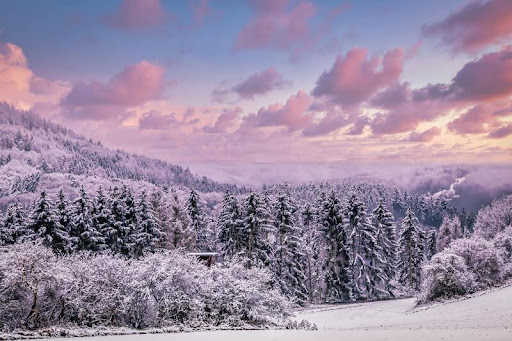
If you’re into snowy adventures and don’t mind bundling up, winter in Yellowstone is unlike anything else.
Weather and Accessibility: Yeah, it’s cold. Like, really cold. Temps can dip below zero, and much of the park closes to regular vehicles. But you can still visit parts of it by snowmobile, snowcoach, or on skis.
Winter Activities and Solitude: The geysers steaming against a snowy backdrop? Absolutely magical. You can go cross-country skiing, snowshoeing, or take guided wildlife tours to see wolves, bison, and more.
Pros and Cons: On the plus side, no crowds, amazing winter scenery, and a peaceful vibe that’s hard to describe. On the downside, it requires more planning, gear, and a tolerance for cold.
How to Choose the Best Season for You
Still not sure when to go? Here are a few questions to ask yourself:
- Do you want to avoid crowds? Spring and fall are your best bets.
- Hoping for warm weather and full access? Summer is the way to go.
- Looking for something totally different? Try winter.
Also, think about your priorities. Are you coming for the hike? Photography? Wildlife? Solitude? Each season supports a different kind of Yellowstone experience.
And don’t forget the practical stuff. Lodging fills up fast in summer, while winter trips take more coordination. Think ahead and book early, no matter the season.
Final Thoughts: When Should You Visit Yellowstone in 2025?
Here’s the honest truth: there’s no “bad” time to visit Yellowstone. Each season has its magic and its quirks. What matters most is what kind of experience you’re looking for.
If you want the full package with warm days and all the park amenities, go in summer. If you’re chasing quieter trails and vibrant color, aim for fall. For wildlife and renewal, spring is a top contender.
And if you’re feeling adventurous and love a snowy landscape, winter might be your perfect fit.
Whatever you choose, you’re in for something unforgettable.
FAQs: Yellowstone Travel Questions Answered
When does Yellowstone open in 2025? Yellowstone is open year-round, but most roads and services begin opening in late April and May.
Is it safe to visit Yellowstone in the winter? Yes, as long as you plan ahead and dress for extreme cold. Guided tours are a great option.
What’s the busiest time of year in Yellowstone? July and August are the busiest months, with the highest crowds and full park access.
Can you see wildlife in every season? Yes! Each season offers different animal activity, but spring and fall are prime viewing times.
How far in advance should I book a Yellowstone trip? For summer visits, book lodging 6-12 months in advance. For other seasons, a few months is usually fine.
About the Author