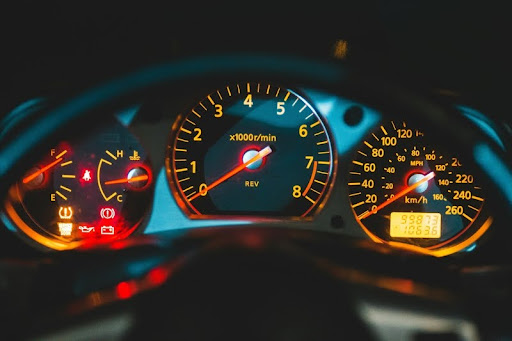
When your dashboard lights up, your car is trying to tell you something—don’t ignore the check engine warning.
You’re driving along, and then, bam! That little check engine light pops up on your dashboard. What now? Panic? Ignore it? Wonder what’s going on under the hood? If you’ve ever asked yourself, “Why is my check engine light on?” you’re not alone. It’s one of the most common car questions out there, and for good reason.
In this post, we’ll break down what that light really means, the most common reasons it turns on, and what you should do next. No confusing jargon, just straight talk so you can understand your car better and avoid bigger headaches later.
What Does the Check Engine Light Mean Anyway?
Let’s start with the basics. The check engine light, sometimes called the malfunction indicator lamp, is your car’s way of waving a red flag. It’s part of your vehicle’s onboard diagnostic system (OBD-II, if you want the fancy name), designed to detect problems affecting emissions or engine performance.
When your car’s computer spots something that’s off, maybe an engine sensor is acting up or emissions aren’t right, it triggers the light to let you know. It doesn’t always mean an emergency, but it’s definitely a warning sign that something needs attention.
Think of it like your body’s fever: it’s a signal that something isn’t quite right, so ignoring it isn’t the best idea.
What Are the Most Common Reasons the Check Engine Light Comes On?
Now, here’s the big question: what’s causing that annoying light to glow? There’s a whole list of potential reasons, but some come up way more often than others. Let’s walk through the usual suspects.
Could a Faulty Oxygen Sensor Be the Culprit?
One of the top reasons your check engine light turns on is a bad oxygen sensor. But what does that even mean?
Your oxygen sensor’s job is to monitor how much oxygen is in your exhaust gases and help your car adjust the fuel mixture for better efficiency and lower emissions. When it fails, your car can’t get this balance right. The result? Worse gas mileage, higher emissions, and a light on your dashboard.
The good news? Oxygen sensor replacements are pretty common and usually straightforward. Ignoring this one, though, can lead to more serious engine trouble.
Is Your Gas Cap Loose or Damaged?
You might be surprised to learn that something as simple as a loose gas cap can trigger your check engine light. Your gas cap helps keep the fuel system sealed properly to prevent harmful vapors from escaping.
If it’s loose, cracked, or missing, your car’s system notices and turns on the light. This is an easy fix; just tighten or replace the cap, and often the light will turn off after a few driving cycles.
So next time the light comes on, before you get stressed, check your gas cap!
What About the Catalytic Converter? Why Does It Matter?
The catalytic converter is a key player in reducing harmful emissions from your car. It converts toxic gases into less harmful substances before they leave the exhaust.
When the converter isn’t working right, maybe it’s clogged or damaged, your car’s performance can suffer, and the check engine light will let you know. This issue can cause your vehicle to fail emissions tests, which is a big deal in many states.
Fixing a catalytic converter isn’t cheap, but catching problems early can save you from even more costly repairs down the line.
How Does a Malfunctioning Mass Airflow Sensor Affect My Car?
The mass airflow sensor (or MAF sensor) measures how much air is entering the engine so your car’s computer can mix the right amount of fuel.
If the sensor goes bad, your engine might run rough, stall, or lose power. Your gas mileage can take a hit, too. This problem often triggers the check engine light.
Cleaning the sensor sometimes helps, but replacement might be needed if it’s faulty. It’s worth getting checked if you notice any unusual engine behavior alongside the light.
Could It Be Spark Plugs or Ignition Coils?
Spark plugs and ignition coils are critical for firing up your engine’s combustion process. When these parts wear out or fail, your engine may misfire, causing rough idling, poor acceleration, and, yes, that check engine light.
Misfires can harm your catalytic converter over time, so don’t wait to fix ignition system issues. Spark plugs generally need replacement every 30,000 to 100,000 miles, depending on your car and plug type.
Are There Other Reasons My Check Engine Light Is On?
Definitely. While the above causes are common, the check engine light can also come on due to:
- Vacuum leaks affecting engine performance
- Problems with the exhaust gas recirculation (EGR) valve
- Faulty sensors, like the camshaft or crankshaft position sensors
- Transmission issues or overheating
- Electrical faults or wiring problems
The key takeaway? The check engine light can mean a lot of things, but it’s always your car’s way of saying, “Hey, check me out!”
What Should I Do When the Check Engine Light Comes On?
So, you see that light. What now? Here’s the best way to handle it without freaking out:
Step 1: Don’t Ignore It
Even if your car feels fine, the light means something’s off. Ignoring it could lead to bigger problems or costly repairs later.
Step 2: Check for Simple Fixes First
Did you forget to tighten your gas cap? That’s the easiest fix you can try yourself. After tightening, it might take a few trips for the light to reset.
Step 3: Use a Diagnostic Tool or Visit a Mechanic
If the light stays on, it’s time to get the codes read. Auto parts stores often offer free OBD-II scanner use, or you can buy a basic scanner for around $20-$50.
The diagnostic codes point to the issue. If you’re not comfortable interpreting them, a trusted mechanic can help.
Step 4: Get Repairs Done Promptly
Once you know the cause, get it fixed sooner rather than later. Some problems can cause your car to fail emissions tests, hurt fuel economy, or even damage other parts.
Why Should I Care About Fixing My Check Engine Light Quickly?
You might be thinking, “It’s just a light. Can’t I wait?” Well, here’s why acting quickly is smart:
- Save Money: Small fixes now prevent expensive repairs later. For example, ignoring a bad oxygen sensor can damage the catalytic converter, which is pricier to replace.
- Stay Safe: Some engine problems can cause your car to stall or lose power unexpectedly.
- Pass Emissions Tests: Most U.S. states require emissions testing, and a check engine light usually means you’ll fail.
- Protect the Environment: Fixing emissions-related issues reduces harmful pollution.
How Can I Prevent the Check Engine Light From Coming On?
While not all problems can be avoided, good car care goes a long way:
- Keep up with regular maintenance like oil changes and tune-ups
- Use quality fuel and parts
- Replace spark plugs and sensors on schedule
- Avoid driving aggressively, which stresses the engine
- Address any warning signs early, like rough idling or stalling
FAQ: Your Check Engine Light Questions Answered
Q: Can the check engine light blink? What does that mean? A: Yes, a blinking check engine light usually means a serious misfire that can damage the catalytic converter. Drive carefully and get it checked immediately.
Q: How long can I drive with the check engine light on? A: It depends on the issue. For minor problems like a loose gas cap, you might be fine for a few days. For anything else, it’s best to get it diagnosed ASAP.
Q: Will the check engine light turn off by itself?
A: Sometimes, after the problem is fixed or if the issue resolves, the light will reset after several driving cycles. Otherwise, it may need a manual reset with a scanner.
Q: Can cold weather cause the check engine light to come on? A: Cold weather itself usually doesn’t cause the light, but extreme temperatures can exacerbate existing issues, triggering the light.
Q: Does the check engine light mean I need to stop driving immediately? A: Not always. If it’s steady, you can usually drive to a mechanic safely. If it’s flashing, reduce speed and seek immediate help.
Wrapping It Up: Don’t Ignore That Light
So, why is your check engine light on? It could be anything from a loose gas cap to a faulty sensor or more serious engine trouble. The best thing you can do is stay calm, check the easy fixes, and then get a proper diagnosis to keep your car running smoothly.
Remember, your check engine light isn’t just a nuisance; it’s a helpful alert designed to save you time, money, and stress. Next time it lights up, you’ll know what to do.
About the Author