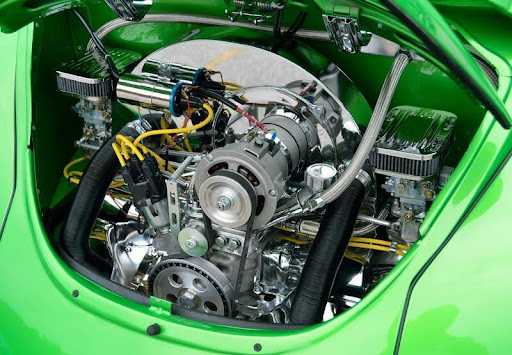
Hands-on repair: A mechanic checks for oil leaks to keep engines running smoothly.
Have you ever noticed a little puddle of oil under your car and just shrugged it off? Maybe you thought, “It’s probably nothing,” or “I don’t have time to deal with it right now.” But here’s the thing: ignoring an oil leak is one of those car issues that can snowball fast, and not in a good way.
So, why should you care about that drip-drip-drip? What makes a small oil leak a big deal? Let’s break it down in a way that makes sense, no mechanic jargon, just straight talk.
What Exactly Causes Oil Leaks in Cars?
Oil leaks don’t just pop up out of nowhere. Usually, they start because some part of your engine’s sealing system wears down or gets damaged. Think about it like a slow drip from a worn-out faucet. Over time, gaskets and seals, the rubber or silicone bits that keep oil inside, can dry out, crack, or loosen. Then there’s the oil pan at the bottom of your engine, which can get dented or develop tiny holes.
Improper maintenance can speed this up. If you skip oil changes or don’t check your engine regularly, that oil can get dirty and more acidic, which can wear down seals faster. Plus, if your car’s been through rough roads or minor accidents, that can also cause leaks.
In short, age, wear and tear, and neglect often team up to cause oil leaks.
How Can I Tell If My Car Has an Oil Leak?
Sometimes, spotting an oil leak is easy, you might see dark spots or puddles on your driveway or parking spot. But other times, leaks can be slow and almost invisible.
Here are some signs to watch for:
- Oil spots or puddles on the ground: Usually dark brown or black and sticky to the touch.
- Burning oil smell: If oil drips onto hot engine parts, it can burn and create a noticeable odor.
- Dashboard warning lights: The oil pressure or check engine light might come on. Don’t ignore these!
- Engine performance changes: Your car might start running rough, lose power, or make unusual noises.
If you’ve noticed any of these, it’s time to pay attention.
Why Is Ignoring an Oil Leak So Risky?
You might be wondering, “Can’t I just top off the oil and keep driving?” Well, you could, but it’s kind of like patching a leaky roof with duct tape; it might hold for a bit, but it’s not a fix.
Here’s why ignoring oil leaks is dangerous:
- Engine damage: Your engine relies on oil to lubricate its moving parts. Low oil means parts rub against each other, causing wear or even complete engine failure.
Repairing or replacing an engine can cost thousands, way more than fixing a leak early on.
- Overheating: Oil also helps cool the engine. Without enough oil, your engine can overheat, leading to costly breakdowns.
- Environmental impact: Leaking oil isn’t just bad for your car; it contaminates the ground and water. In the U.S., leaking automotive fluids contribute to pollution in parking lots, roads, and storm drains.
- Safety hazards: Oil spots on roads and driveways are slippery. They can cause accidents for pedestrians, cyclists, or even other vehicles.
Ignoring that small drip today might save time now, but risks serious headaches later.
What’s the Real Cost of Ignoring Oil Leaks?
It might seem cheaper to avoid the mechanic, but that’s a short-sighted view. Small oil leaks often get worse over time. The tiny drip becomes a steady flow, draining your oil faster than you realize.
This can:
- Lower fuel efficiency: When your engine doesn’t run smoothly, it burns more gas. According to the U.S. Department of Energy, poor engine maintenance can reduce fuel economy by up to 10%.
- Increase repair bills: A simple gasket replacement might cost a few hundred dollars, but ignoring it can lead to bigger repairs like replacing engine parts or even the entire engine, which can run $3,000 or more.
- Cost you time: Breakdowns mean time off work or plans canceled, not to mention the hassle of towing and waiting on repairs.
It’s almost like your car is warning you: fix me now, or pay way more later.
What’s the Best Way to Fix an Oil Leak?
Once you spot signs of an oil leak, don’t panic, but don’t delay either. Here’s what to do:
- Check your oil level regularly: Use your dipstick to keep an eye on oil levels. If it’s dropping faster than usual, that’s a big red flag.
- Schedule a professional inspection: Mechanics have the tools and know-how to find exactly where the leak is and what’s causing it.
- Get repairs done promptly: Whether it’s replacing a gasket, tightening a seal, or fixing the oil pan, getting it fixed early saves money and stress.
- Maintain your vehicle: Regular oil changes, inspections, and following your car’s maintenance schedule prevent leaks from developing.
Taking these steps helps keep your engine healthy and your wallet happy.
How Often Should You Check for Oil Leaks?
A quick check every time you fill up gas or wash your car is a good habit.
Look under your vehicle for any fresh spots, and keep an eye on your dashboard lights.
If you drive in tough conditions, like hot climates, dusty roads, or heavy traffic, check more often. And if your car is older than 5 years, oil leaks become more common, so staying vigilant is key.
Quick Recap: Why You Should Never Ignore That Oil Leak
Oil leaks might seem minor, but they’re like warning lights for bigger problems. They can cause severe engine damage, create environmental risks, and lead to costly repairs. Spotting a leak early and getting it fixed saves money, stress, and keeps you safe on the road.
So next time you see a drip or notice an oil smell, ask yourself: “Is this worth ignoring?” The answer is probably no.
FAQ: Oil Leak Basics Everyone Wants to Know
Q: How dangerous is driving with an oil leak? A: It depends on the leak size, but driving with low oil levels can cause engine damage or overheating, risking breakdowns and expensive repairs.
Q: Can I fix an oil leak myself? A: Some minor leaks (like loose drain plugs) might be fixable at home, but most require a professional to diagnose and repair correctly.
Q: How much does it cost to fix an oil leak? A: Costs vary widely, from $150 to $1,000 or more, depending on the leak’s cause and repair complexity.
Q: Will an oil leak cause my car to fail an emissions test? A: Yes, leaks can lead to increased emissions and may cause your car to fail inspection in many states.
About the Author